Local SEO Perth: How to Rank on Google Maps and Get Found First
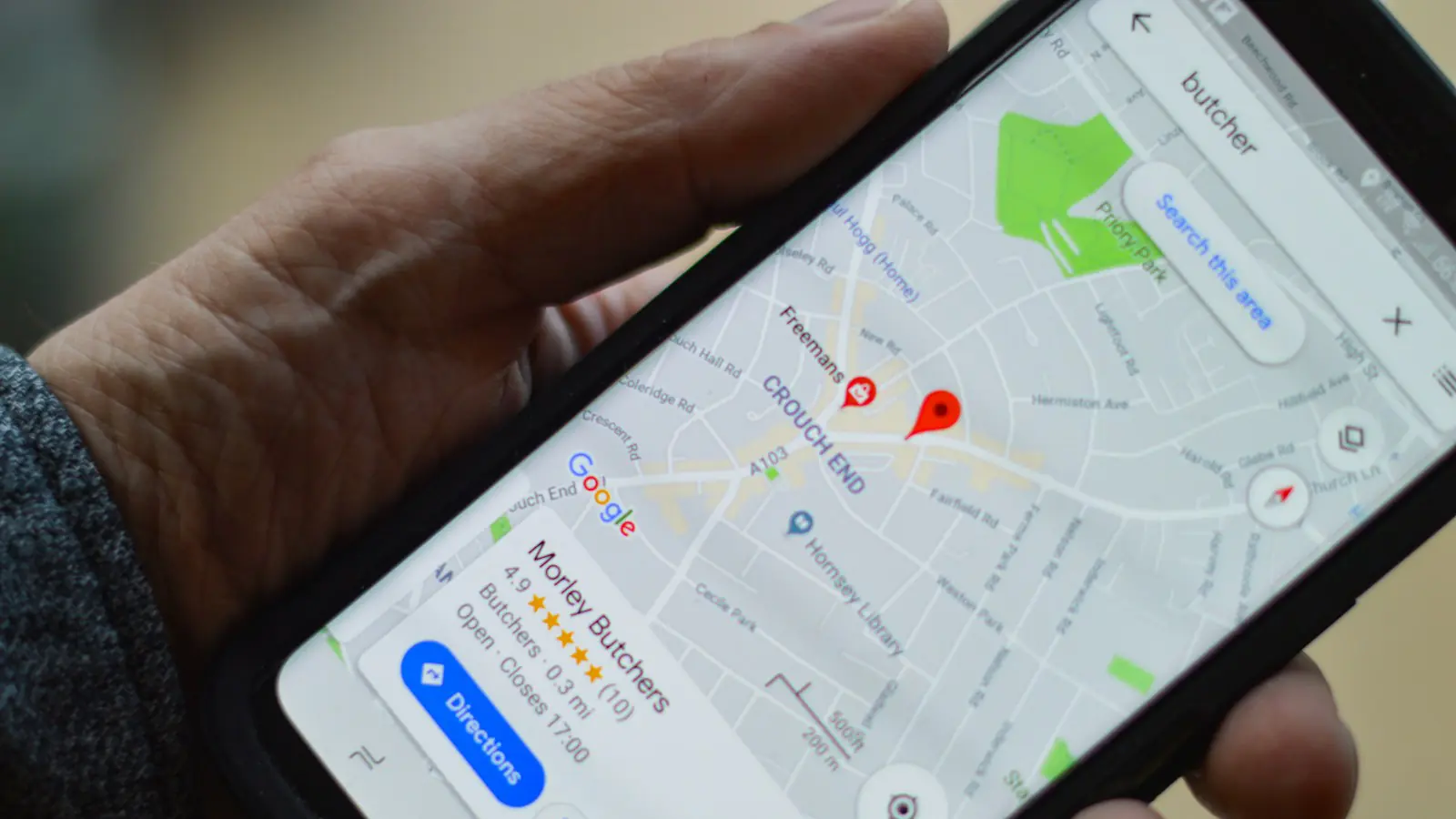
If you’ve ever typed “plumber near me” or “accountant Perth” into Google and wondered how certain businesses end up at the very top — in that map block above all the regular results — the answer is local SEO.
Local SEO in Perth is the process of optimising your online presence so that your business appears when people in your area search for what you offer. It’s not the same as general SEO, and the businesses that understand the difference are the ones dominating local search right now.
This guide covers exactly what it takes to rank on Google Maps and the local pack in Perth — from your Google Business Profile to citation building to your reviews strategy — with practical steps you can start applying today.
What Is Local SEO and Why Does It Matter for Perth Businesses?
Local SEO is a specific subset of search engine optimisation focused on helping businesses appear in geographically relevant searches. When someone in Subiaco searches “electrician Subiaco” or “bookkeeper near me,” Google’s algorithm serves up a combination of:
- The Local Pack — the map block showing 3 businesses with star ratings, hours, and directions
- Organic results — regular website results below the map
Ranking in the Local Pack is the single highest-value piece of digital real estate a Perth business can occupy. According to research from BrightLocal, 78% of local mobile searches result in an offline purchase within 24 hours. These are buyers — not browsers.
For Perth small businesses, local SEO is often the highest ROI digital marketing channel available, because the traffic is hyper-intent and the competition, while real, is beatable with the right approach.
Step 1: Optimise Your Google Business Profile
Your Google Business Profile (GBP) — previously Google My Business — is the single most important asset in your local SEO strategy. If your GBP is incomplete, inconsistent, or neglected, you will not rank well on Google Maps in Perth. Full stop.
Here’s what a fully optimised GBP looks like:
Complete Every Section — No Exceptions
Google’s algorithm rewards completeness. Fill out every field:
- Business name — use your exact legal or trading name; never stuff keywords into it
- Category — choose your primary category carefully; this is one of the strongest local ranking signals. Add secondary categories where relevant
- Address — your exact street address in East Perth, or your service area if you’re mobile
- Phone number — local Perth number preferred over 1300/1800
- Website URL — link to your main site or a specific landing page
- Hours — keep these accurate and update them for public holidays
- Business description — 750 characters; include your primary keywords and suburbs you serve naturally
- Services — list every service you offer; Google uses this to match search queries
Upload Photos Consistently
Businesses with photos receive 42% more direction requests and 35% more clicks to their website, according to Google’s own data. Upload high-quality photos of your team, your work, your premises, and your results — and keep adding them monthly. Google rewards active profiles.
Use the Q&A Section Proactively
Most businesses ignore the Q&A feature on their GBP. Add your own frequently asked questions (and answer them) before customers ask things you’d rather control. This also adds keyword-rich content to your profile.
Post Regularly to Your Profile
Google Business Profile has a Posts feature — similar to a social feed. Publishing updates, offers, and blog links to your GBP signals to Google that your business is active. Aim for at least one post per week for maximum signal.
At JSS Digital, GBP optimisation is one of the first things we tackle when working with Perth clients on local SEO — because the uplift from a fully optimised profile is often immediate.
Step 2: Get Your NAP Consistent Everywhere
NAP stands for Name, Address, Phone Number — and consistency across every platform where your business appears is a foundational local SEO signal.
If your business is listed as “JSS Digital Pty Ltd” on your website, “JSS Digital” on Google, and “JSS Digital Co” on your Facebook page, Google’s algorithm struggles to confirm these are the same entity — and that uncertainty hurts your ranking.
Your NAP must be identical everywhere:
- Your website (header, footer, contact page)
- Google Business Profile
- Facebook Business Page
- Apple Maps
- Bing Places
- Yelp
- TrueLocal
- Yellow Pages Australia
- Any industry-specific directories
Even minor inconsistencies — different abbreviations of “Street” vs “St”, slightly different business name formats — can dilute your local authority. Audit every listing and standardise.
Step 3: Build Local Citations on Australian Directories
A local citation is any online mention of your business name, address, and phone number — even without a link back to your site. Citations help Google verify that your business is legitimate, established, and located where you say it is.
For Perth businesses, prioritise citations on these platforms:
Australian directories:
- Google Business Profile (already covered — this is the most important)
- Bing Places for Business
- Apple Maps (claim via Apple Business Connect)
- TrueLocal
- Yellow Pages Australia (yellowpages.com.au)
- White Pages Australia
- HiPages (trades and services)
- Oneflare
- Houzz (for home improvement businesses)
- StartLocal
Industry-specific directories: These vary by industry — a mortgage broker should be listed on finder.com.au; a physiotherapist should appear on healthdirect.gov.au. Identify the top 3–5 directories in your sector and ensure you’re listed accurately.
The quality of citations matters more than the quantity. Focus on authoritative Australian platforms over low-quality directory spam.
Step 4: Build a Reviews Strategy That Actually Works
Google reviews are one of the top local ranking factors — and more importantly, they’re one of the top conversion factors. A business with 50 four-and-a-half star reviews will consistently outperform a business with 5 five-star reviews in both rankings and click-through rate.
The challenge is that most Perth business owners are uncomfortable asking for reviews. Here’s the reality: customers who had a great experience are usually happy to leave one — they just need to be asked at the right moment.
Timing Your Review Requests
Ask for a review:
- Immediately after completing a job or service delivery
- At the moment a client gives you verbal positive feedback (“I’m so glad we helped — would you mind sharing that on Google?”)
- In your follow-up email or SMS — with a direct link to your GBP review page
Make It Effortless
Send a direct link to your Google review page — don’t make them search for it. You can generate a short review link directly from your GBP dashboard. Include this in:
- Post-job follow-up SMS
- Email signature
- End-of-invoice communication
Respond to Every Review
Responding to reviews — both positive and negative — signals to Google that your business is engaged and managed by a real team. Responding to negative reviews professionally shows potential customers that you take issues seriously. Never argue or be defensive in public responses.
Aim for a minimum of 20 genuine reviews before expecting strong Local Pack positioning in competitive Perth suburbs. For highly competitive niches like accounting, law, or real estate, you may need 50–100+.
Step 5: Optimise Your Website for Local Search
Your Google Business Profile and your website work together as a local SEO system. Your site needs to reinforce the local signals your GBP is sending.
Create a Dedicated Contact/Location Page
Your contact page should include:
- Your full NAP (matching your GBP exactly)
- An embedded Google Map
- Your service area (list the Perth suburbs you serve)
- Local schema markup (LocalBusiness JSON-LD — see below)
Add Location-Specific Content
Create suburb or service-area pages if you serve multiple Perth locations — Fremantle, Joondalup, Midland, Rockingham, etc. Each page should be genuinely unique, covering your services in the context of that specific area. Don’t duplicate content across suburb pages with only the location name changed.
Implement LocalBusiness Schema Markup
Schema markup is structured data that tells Google exactly what your business is, where it’s located, and what it offers. A LocalBusiness JSON-LD schema on your homepage and contact page is a powerful local signal that most Perth SMB sites are missing.
At minimum, your schema should include: business name, address, phone, URL, opening hours, geographic coordinates, and business type.
Internal Linking With Local Anchor Text
Link between your service pages and location pages using anchor text that includes your target suburb or city. “Our SEO services for Perth businesses” is more valuable than “click here.”
Step 6: Understand Proximity Signals and What You Can and Can’t Control
One of Google’s local ranking factors is proximity — how close the searcher is to your business location. If someone in Claremont searches “marketing agency near me,” businesses with a physical presence in Claremont or nearby suburbs will have a natural proximity advantage.
This is largely outside your control — you can’t fake a location. What you can control is everything else: GBP optimisation, reviews, citations, on-site signals, and the overall authority of your domain.
For service-area businesses (tradies, consultants, cleaners) who work across Perth but don’t have a shopfront, make sure your GBP is set up as a service area business rather than a location-based business. Define your service areas in your GBP settings to give Google a clear picture of where you operate.
How Long Does Local SEO Take to Work in Perth?
Honest answer: it depends on your current baseline and the competitiveness of your niche.
- GBP optimisation + review building: Can produce noticeable movement in 4–8 weeks
- Citation building: 6–12 weeks for full indexation
- On-site local SEO + schema: 3–6 months for meaningful organic results
- Sustained top-of-map positioning: 6–12 months for competitive Perth niches
The businesses that rank consistently in the Local Pack aren’t there because of a one-time effort. They’re there because they treated local SEO as an ongoing strategy, not a one-off task.
JSS Digital manages ongoing local SEO for Perth businesses — covering everything from GBP maintenance and review strategy to citation auditing and on-site optimisation. If you want a structured approach rather than a DIY patchwork, get in touch and we’ll build a plan.
Rank First. Get Found First. Win.
Local SEO in Perth is not complicated — but it is systematic. The businesses that dominate Google Maps aren’t winning because they got lucky. They’re winning because they optimised every signal Google uses to evaluate local relevance: their GBP, their reviews, their citations, their website, and their consistency across all of it.
If you want to build that system for your Perth business without spending months figuring it out yourself, JSS Digital can handle it. Explore our SEO services and see exactly how we approach local search for Western Australian businesses.
Frequently Asked Questions
What is local SEO and how is it different from regular SEO?
Local SEO is specifically focused on helping your business appear in geographically relevant searches — including Google Maps and the Local Pack. Regular SEO targets broader keyword rankings regardless of location. For Perth businesses that serve customers in a specific area, local SEO is typically higher priority and faster to deliver results.
How do I rank higher on Google Maps in Perth?
The key factors are a fully optimised Google Business Profile, consistent NAP information across all directories, a strong and growing volume of Google reviews, local citations on Australian platforms, and location-relevant content on your website. Google weights these signals together when deciding which businesses appear in the Local Pack.
How many Google reviews do I need to rank on Google Maps?
There’s no magic number, but most Perth businesses in moderately competitive niches start gaining Local Pack visibility with 15–25 genuine reviews. In high-competition niches like law, accounting, or real estate, 50–100+ reviews may be required to compete with established players.
Does my website affect my Google Maps ranking?
Yes. Your website’s local relevance, authority, and technical signals — including LocalBusiness schema markup, NAP consistency, and local content — directly influence how Google ranks your GBP listing in the Local Pack. Your GBP and website work as a system, not independently.
How long does local SEO take to work?
Basic GBP optimisation and review building can produce results in 4–8 weeks. Full local SEO — including citations, on-site content, and schema — typically takes 3–6 months to produce meaningful results. Sustained top-of-map positioning in competitive Perth niches takes 6–12 months of consistent effort.
Is local SEO worth it for a small Perth business?
For most Perth service businesses, local SEO delivers the highest ROI of any digital marketing channel. The traffic is high intent — people searching for a specific service in a specific area are close to buying. Done correctly, local SEO produces leads consistently without an ongoing ad spend.